Column · @troyvohl986
Wisdom Teeth Removal in Oxnard CA: Knowing the Warning Signs
Most people do not spend much time thinking about their wisdom teeth until something starts to feel off. It might begin as a dull ache behind the molars, a jaw that feels tighter than usual, or gum tissue that suddenly becomes tender when brushing. Those small changes are easy to dismiss, especially if the pain comes and goes. Yet wisdom teeth have a way of turning minor irritation into a much bigger problem if the warning signs are ignored for too long.
For patients considering Wisdom Teeth Removal Oxnard CA, the question is rarely just whether the teeth are present. The real issue is whether they have enough room to erupt normally, whether they are affecting neighboring teeth, and whether they are creating the kind of inflammation or infection that tends to worsen over time. In practice, wisdom teeth problems do not always arrive with dramatic symptoms. Some cases are obvious, but many are subtle at first.
That is what makes early recognition so important. When people understand the warning signs, they are more likely to seek evaluation before they are dealing with severe pain, swelling, or an emergency visit over a holiday weekend.
Why wisdom teeth become a problem so often
Wisdom teeth, also called third molars, are the last adult teeth to develop and usually emerge in the late teens or early twenties. By that point, the jaw has often already filled in with the other permanent teeth. Some people do have enough space for wisdom teeth to come in normally and stay healthy. Many do not.
When there is not enough room, the teeth may stay trapped beneath the gums, erupt only partway, or angle into the second molars. Dentists use the term "impacted" for teeth that cannot erupt in a healthy position. An impacted wisdom tooth can press against nearby structures, collect bacteria under the gum flap, or contribute to chronic inflammation that flares up when the body is run down.
In coastal communities like Oxnard, where patients often juggle work, family obligations, and active lifestyles, there is a strong temptation to put off care until symptoms become impossible to ignore. That delay is understandable, but it can turn a relatively straightforward extraction into a more uncomfortable experience. Earlier treatment often means less infection, less swelling, and a smoother recovery.
The warning signs people notice first
The earliest signs are not always dramatic. A patient may describe a feeling of pressure in the back corners of the mouth, or mention that floss keeps catching around the last molar. Sometimes a parent notices their teenager chewing on one side more than the other. Other times a college student home on break says their jaw feels sore in the morning and assumes it is stress.
These details matter. Wisdom teeth problems often show up as recurring irritation rather than constant, unmistakable pain. A tooth that is partially erupted can create a small flap of gum tissue where food particles and bacteria get trapped. That area may swell, calm down, then swell again. Because the discomfort can improve temporarily, people often delay evaluation.
A few symptoms deserve particular attention:
- tenderness or swelling behind the last visible molar
- pain when chewing, especially on one side
- a bad taste or persistent bad breath that brushing does not fix
- jaw stiffness or difficulty opening fully
- repeated episodes of gum infection in the same back area
Any one of these signs can have other causes, so they are not an automatic diagnosis. Still, when they appear near the age wisdom teeth typically erupt, they are strong reasons to schedule a dental exam.
Pain is common, but it is not the only signal
People tend to assume that if a wisdom tooth is not hurting badly, it must not be causing trouble. That is one of the more misleading assumptions in dentistry. Some impacted wisdom teeth remain quiet for a long time while still damaging the neighboring tooth or creating a pocket that harbors bacteria. By the time the pain becomes obvious, there may already be significant inflammation or decay.
I have seen cases where the chief complaint was actually not pain at all, but a feeling of crowding. A patient says their back teeth feel harder to clean, or they notice more bleeding when flossing. Another says their lower jaw aches after long conversations or after eating something chewy. Those complaints can sound vague, yet they often line up with wisdom teeth that are erupting at an awkward angle.
Pain also behaves differently depending on the position of the tooth. A tooth pressing sideways into a second molar may produce pressure and intermittent soreness. A tooth partially erupted through the gum may cause tender, inflamed tissue and infection around the crown. A deeply impacted tooth may cause no obvious symptoms until it shows up on an X-ray.
That is why the decision about removal is not based only on how much it hurts today. It depends on the anatomy, the likelihood of repeated problems, the condition of the neighboring teeth, and the patient’s age and overall health.
What partial eruption really means
Partially erupted wisdom teeth are some of the most troublesome. The tooth breaks through the gum enough to create an opening, but not enough to come in fully or line up properly with the rest of the bite. This leaves a small space that is difficult to clean with a toothbrush or floss.
Bacteria thrive in that environment. The result can be pericoronitis, an infection and inflammation of the soft tissue around the erupting tooth. Patients often describe it as a sore, swollen area in the very back of the mouth that hurts when swallowing or chewing. In more pronounced cases, the swelling can radiate toward the throat or cheek, and the area may feel warm and angry.
The frustrating part is that these episodes can settle down with rinsing, improved cleaning, or antibiotics, then return weeks or months later. That pattern can give a false sense of security. The infection is not truly resolved if the structural problem remains. If the tooth has no realistic path to full, healthy eruption, the issue usually comes back.
When wisdom teeth affect neighboring teeth
One of the most overlooked risks is damage to the second molars, the teeth directly in front of the wisdom teeth. If a wisdom tooth is angled forward, it can trap food and plaque against the back of the second molar. This area is notoriously hard to clean, even for very diligent brushers.
Over time, that can lead to decay on the back surface of an otherwise healthy tooth. It can also cause bone loss or gum pockets around the second molar. Patients are often surprised to learn that the wisdom tooth itself is not always the only concern. Sometimes the bigger long-term issue is protecting the good tooth in front of it.
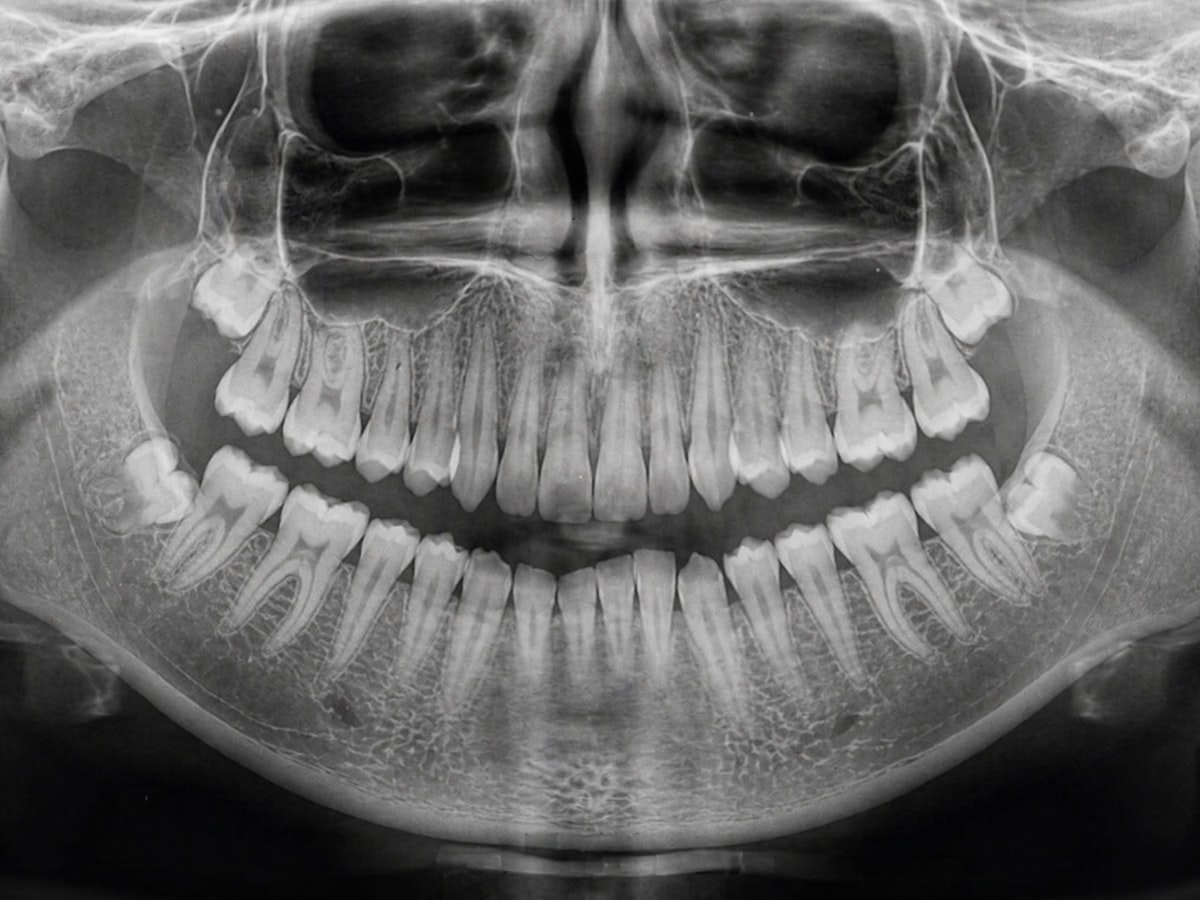
This is one reason regular imaging matters. An X-ray can reveal contact points, angulation, cyst-like changes, or early damage that is impossible to see during a quick look in the mirror. In many cases, the patient comes in worried about mild gum soreness and leaves understanding that early removal may prevent a much more complicated problem later.
Age matters more than many people realize
There is a practical reason oral surgeons often prefer to evaluate wisdom teeth in the mid-teen to young adult years. The roots may be less fully formed, the surrounding bone is generally more forgiving, and healing tends to be more predictable. That does not mean older adults cannot have wisdom teeth removed successfully. They absolutely can. It simply means the procedure and recovery may involve a few more considerations.
Patients in their thirties, forties, or beyond sometimes ask whether they should leave asymptomatic wisdom teeth alone. The answer depends on what the exam and imaging show. A fully erupted, functional, easy-to-clean wisdom tooth may not need removal. A partially impacted tooth with recurrent inflammation is a different story. So is a tooth associated with decay, bone loss, or damage to a neighboring molar.
Clinical judgment matters here. Blanket advice rarely serves patients well. The right recommendation takes anatomy, symptoms, medical history, and future risk into account.
What an evaluation for wisdom teeth removal involves
A proper evaluation is usually straightforward, but it should be thorough. The conversation begins with symptoms, timing, any past swelling or infection, and whether the problem has changed recently. After that comes the clinical exam, where the back gums, jaw opening, bite, and visible eruption are assessed. Imaging, often panoramic X-rays and sometimes 3D scans, gives the fuller picture.
For patients looking into Wisdom Teeth Removal Oxnard CA, this consultation is where clarity replaces guesswork. The surgeon or dentist can explain whether the tooth is erupted, partially impacted, or fully impacted, and whether its position raises concerns about infection, neighboring teeth, sinus proximity, or the inferior alveolar nerve in the lower jaw.
That appointment is also the time to discuss sedation options, timing, and recovery planning. For a high school athlete, timing the procedure around games or training may matter. For a working parent, arranging a few quieter days at home may be the deciding factor. The procedure itself may be routine, but the planning should still fit the patient’s actual life.
Signs that should not wait
Some symptoms deserve prompt attention rather than a casual “I’ll deal with it next month.” Rapid swelling, difficulty swallowing, fever, pus drainage, or the inability to open the mouth normally can signal a more significant infection. Pain that wakes someone at night or prevents eating is also not something to ride out casually.
Here is where practical judgment helps. A mild ache after feeling a tooth erupt is one thing. A visibly swollen cheek and throbbing pain are another. The back of the mouth is a confined space, and infections there can escalate faster than people expect. Prompt evaluation can prevent the need for more urgent, uncomfortable treatment later.
The removal itself, what patients usually experience
Wisdom tooth removal ranges from simple extraction to surgical removal, depending on how the tooth is positioned. A fully erupted tooth may come out much like another molar extraction. An impacted tooth often requires a small incision, removal of bone around the tooth, or sectioning the tooth into pieces to ease removal while protecting surrounding structures.
Patients are understandably anxious about this part, often because they imagine a painful, drawn-out ordeal. In reality, most modern wisdom tooth procedures are controlled, efficient, and managed with local anesthesia, sedation, or both. During the procedure, the goal is not speed for its own sake, but careful technique. The surgeon wants enough visibility and control to minimize trauma and protect nearby nerves, teeth, and soft tissue.
Afterward, swelling and soreness are normal, usually peaking around the second or third day. Some patients feel better faster than expected. Others, especially with lower impacted teeth, need a bit more downtime. That variation is normal.
Recovery tends to go better when expectations are realistic
The smoothest recoveries often happen when patients respect the first few days. People who try to jump immediately back into intense workouts, hot crunchy foods, or long days without rest tend to have a rougher time. Recovery does not demand total bed rest, but it does reward common sense.
A few basic habits make a real difference:
- follow the surgeon’s instructions on gauze, rinsing, and medications
- stick with soft foods and plenty of fluids for the early recovery period
- avoid smoking, vaping, and straws while the sockets are forming clots
- use ice packs during the first day as directed
- call the office if pain suddenly worsens after initially improving
That last point matters. A gradual improvement is typical. A sudden setback, especially increased pain several days after surgery, can signal dry socket or another issue worth checking.
Dry socket, numbness concerns, and other edge cases
No discussion of wisdom tooth removal is complete without a clear look at possible complications. Dry socket is one patients hear about most often. It occurs when the blood clot at the extraction site dissolves or becomes dislodged too early, exposing the underlying bone. The pain is usually intense, distinct from standard soreness, and often starts a few days after extraction.
Not everyone is equally likely to develop dry socket. Smoking, vaping, forceful spitting, straw use, and difficult lower extractions can all increase the risk. Good postoperative habits lower the odds, though they cannot reduce the risk to zero.
Numbness concerns come up most often with lower wisdom teeth because of their proximity to the sensory nerve in the jaw. This is why imaging and careful https://stephenfswo881.lucialpiazzale.com/what-to-bring-to-your-wisdom-teeth-removal-appointment-in-oxnard-ca planning are so important. In many cases, the roots are well positioned and risk is low. In other cases, especially when roots are close to the nerve canal, the discussion becomes more nuanced. The surgeon may recommend a specific approach based on the anatomy. Patients deserve an honest explanation of both benefits and risks, not oversimplified reassurance.
Sinus communication is another consideration with some upper wisdom teeth. Again, this is not common in every case, but it is part of why removal should be planned thoughtfully rather than treated as interchangeable from one person to the next.
The local factor, why timing care in Oxnard matters
People searching for Wisdom Teeth Removal Oxnard CA are often balancing convenience with urgency. That balance matters more than it may seem. If symptoms are already flaring, finding timely local care can prevent repeated urgent care visits, missed workdays, or weeks of cycling through pain medication and temporary fixes.
Oxnard’s mix of families, students, agricultural workers, and professionals means schedules are often packed and hard to coordinate. Many patients postpone treatment because they are trying to wait for the perfect window. In reality, the best time is usually before the problem turns acute. Planning removal during a school break, before a busy work season, or ahead of a major trip can spare a lot of stress.
Local follow-up also matters. If swelling seems unusual, if a dressing comes out, or if recovery is slower than expected, it helps to have a nearby office familiar with the case. That continuity makes the process less intimidating and often more efficient.
Wisdom teeth do not always need to come out, but many should be watched closely
There is a persistent myth that every wisdom tooth must be removed. That is not accurate. Some erupt fully, align well, and remain cleanable and functional for years. Those teeth may simply need monitoring. The opposite myth, that asymptomatic wisdom teeth should never be touched, is just as misleading.
The right approach sits between those extremes. Teeth that are disease-free, accessible to hygiene, and not threatening neighboring structures may be left in place. Teeth that repeatedly inflame, trap bacteria, damage adjacent molars, or remain impacted in risky positions often justify removal even if the daily symptoms are mild.
This is where regular dental exams earn their keep. Monitoring allows problems to be caught before they are advanced. For a teenager, that may mean identifying impaction early. For an adult who still has wisdom teeth, it may mean spotting subtle decay or gum changes before they become expensive and uncomfortable.
What patients often wish they had known sooner
Many people who eventually need wisdom tooth removal say some version of the same thing afterward: they wish they had addressed it earlier. Not because the procedure was easy in every case, but because the buildup to it was often worse than the surgery itself. Weeks or months of off-and-on swelling, difficulty chewing, bad taste, interrupted sleep, or worry about infection can wear people down.
There is also relief in finally having an explanation. A patient who has been blaming sinus pressure, jaw tension, or “sensitive gums” may learn that a partially impacted lower wisdom tooth is the main culprit. Once that tooth is removed and the area heals, the persistent irritation is gone.
That does not mean every vague symptom traces back to wisdom teeth. It means wisdom teeth deserve a place on the shortlist when pain or inflammation appears at the back of the mouth, especially in the typical eruption years.
Knowing when to make the call
If the gums behind your last molars are tender, if your jaw feels stiff without a clear reason, or if you are having repeated swelling in the same back corner of your mouth, it is worth getting checked. The best-case scenario is reassurance and a plan to monitor. The more common alternative is catching a problem while it is still manageable.
For those considering Wisdom Teeth Removal Oxnard CA, the key is not panic. It is awareness. Wisdom teeth problems usually give signals before they become severe. The challenge is recognizing those signals early enough to act on them. A timely evaluation can protect neighboring teeth, reduce the chance of infection, and make treatment simpler than it would be after months of delay.
That is the practical heart of the issue. Wisdom teeth rarely improve because they are ignored. If they are causing symptoms, crowding cleaning access, or showing signs of impaction, an informed dental evaluation is the smartest next step.
Oxnard Dentistry
1730 E Gonzales Rd
Oxnard, CA 93036, United States
Phone: +1 805-307-8731
FAQ About Wisdom Teeth Removal Oxnard CA
How much does it cost to get wisdom teeth removed in California?
Fees depend on tooth position, the number of extractions, imaging and anesthesia. Oxnard Dentistry can provide an individual estimate after examining your teeth. Ask for an itemized plan and confirm insurance benefits before scheduling.
Will insurance cover wisdom teeth removal?
Coverage and out-of-pocket costs vary by policy and the treatment required. Ask the dental office and your insurer to verify benefits, annual limits and any authorization requirements. A benefit estimate does not guarantee payment.
Is 30 too old to have wisdom teeth removed?
Age alone does not determine whether extraction is appropriate. A dentist evaluates symptoms, tooth position, oral health and medical history. Healthy, functional wisdom teeth may be monitored; teeth causing disease or other problems may need treatment.